
"shift management"
400 article(s) found

The flavor characteristics of Tanzania boutique coffee the uniqueness of Tanzania boutique coffee Tanzania
Due to political instability and rampant diseases and insect pests, the coffee industry in Tanzania has been damaged, leading to a decline in the overall level of coffee and instability in quality, which in turn lead to lower prices, which are usually the result of a further decline in the coffee industry. What's more, it is estimated that more than 12% of the Arabica coffee grown in northern Tanzania from 1969 to 1985 was smuggled.

Tanzania Coffee Flavor description Grinding characteristics introduction of Fine Coffee beans in producing areas
Due to political instability and rampant diseases and insect pests, the coffee industry in Tanzania has been damaged, leading to a decline in the overall level of coffee and instability in quality, which in turn lead to lower prices, which are usually the result of a further decline in the coffee industry. What's more, it is estimated that more than 12% of the Arabica coffee grown in northern Tanzania from 1969 to 1985 has gone.

An introduction to the Fine Coffee of Tanzania the flavor characteristics of Tanzanian coffee
Due to political instability and rampant diseases and insect pests, the coffee industry in Tanzania has been damaged, leading to a decline in the overall level of coffee and instability in quality, which in turn lead to lower prices, which are usually the result of a further decline in the coffee industry. What's more, it is estimated that more than 12% of the Arabica coffee grown in northern Tanzania from 1969 to 1985 was smuggled.

Variety of Full-Granulated Tanzanian Coffee Beans Treatment Flavor Description Estate Profile
Rainfall types are divided into bimodal distribution and unimodal distribution. The areas with bi-modal rainfall distribution include the provinces around Lake Victoria Basin, the northeast highlands, the coast and the northeast inland. The bi-modal rainfall distribution area is characterized by two long and short rainy seasons. The short rainy season occurs from September to December, and the total rainfall can reach 200-500 mm. The long rainy season occurs from March to May.

Characteristics of Tanzania Coffee beans with Pure Flavor introduction to Flavor description of Grinding scale in producing area
Coffee production in Tanzania: coffee bean-shaped berry coffee in Tanzania produces a lot of coffee and is said to be more fragrant than ordinary coffee. Generally speaking, coffee beans in Tanzania have extraordinary quality. For example, the fine Tanzanian AA AA coffee (ChaggaAA), produced in the Moshi area near Mount Kilimanjaro, is full with its grains.

Description of characteristics and Flavor of Tanzania Coffee Bean introduction to Variety treatment in Taste producing area
Introduction to the method of Variety treatment in Tanzania Coffee Bean characteristics and Flavor description in Tanzania Coffee Export from Tanzania (Tanzania) plays an important role in the whole national economy. In the past, the coffee industry in Tanzania has been dominated by manor cultivation, but now more than 85% are grown by small farmers. Many small farmers form cooperative organizations, the most important of which is Kilimazza

Unique Chinese Coffee style Office Coffee Culture
Analysis of the office coffee culture of modern Chinese white-collar workers where a more decent Office, there are always two shiny coffee pots, and coffee is provided free of charge around the clock. A little more particular, there will even be a small coffee shop for employees to enjoy during the break. As a result, the jingling music of stirring coffee with a metal spoon here has turned into an enterprise.
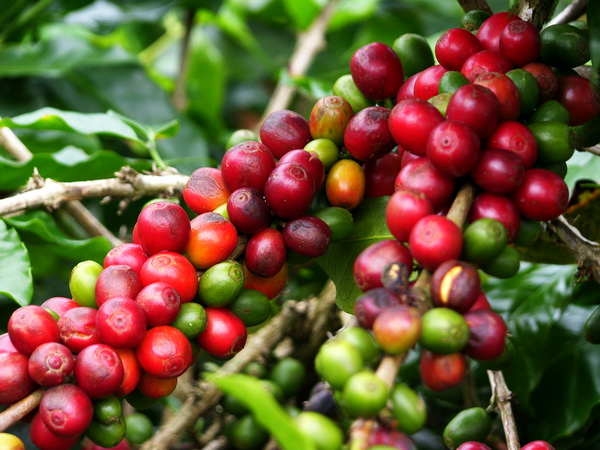
Experience plantation amorous feelings Tanzania Arusha Coffee Manor Africa original Tanzania imported coffee
Due to political instability and rampant diseases and insect pests, the coffee industry in Tanzania has been damaged, leading to a decline in the overall level of coffee and instability in quality, which in turn lead to lower prices, which are usually the result of a further decline in the coffee industry. What's more, it is estimated that more than 12% of the Arabica coffee grown in northern Tanzania from 1969 to 1985 has gone.

Introduction to boutique coffee beans-- the flavor of Tanzanian coffee the characteristics of Tanzanian coffee
Due to political instability and rampant diseases and insect pests, the coffee industry in Tanzania has been damaged, leading to a decline in the overall level of coffee and instability in quality, which in turn lead to lower prices, which are usually the result of a further decline in the coffee industry. What's more, it is estimated that more than 12% of the Arabica coffee grown in northern Tanzania from 1969 to 1985 was smuggled.

Introduction to the origin of boutique coffee beans the characteristics of Tanzanian coffee Tanzania coffee
Due to political instability and rampant diseases and insect pests, the coffee industry in Tanzania has been damaged, leading to a decline in the overall level of coffee and instability in quality, which in turn lead to lower prices, which are usually the result of a further decline in the coffee industry. What's more, it is estimated that more than 12% of the Arabica coffee grown in northern Tanzania from 1969 to 1985 was smuggled.

The flavor of Tanzanian coffee describes the flavor of Tanzanian coffee. How about Tanzanian coffee?
Due to political instability and rampant diseases and insect pests, the coffee industry in Tanzania has been damaged, leading to a decline in the overall level of coffee and instability in quality, which in turn lead to lower prices, which are usually the result of a further decline in the coffee industry. What's more, it is estimated that more than 12% of the Arabica coffee grown in northern Tanzania from 1969 to 1985 was smuggled.
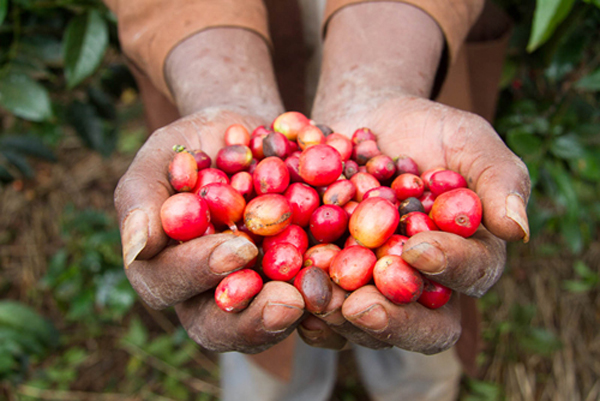
Imported Tanzanian coffee (coffee beans) hand-brewed coffee Tanzania PB coffee raw
Due to political instability and rampant diseases and insect pests, the coffee industry in Tanzania has been damaged, leading to a decline in the overall level of coffee and instability in quality, which in turn lead to lower prices, which are usually the result of a further decline in the coffee industry. What's more, it is estimated that more than 12% of the Arabica coffee grown in northern Tanzania from 1969 to 1985 has gone.

Boutique coffee culture coffee culture also spreads among white-collar workers
For a more respectable Offic e, there are always two shiny coffee pots, and coffee is provided free of charge around the clock. A little more particular, there will even be a small coffee shop for employees to enjoy during the break. Here, the jingling music emitted by metal spoons stirring coffee has become a kind of corporate culture. The aroma of coffee pervades the office and coffee culture
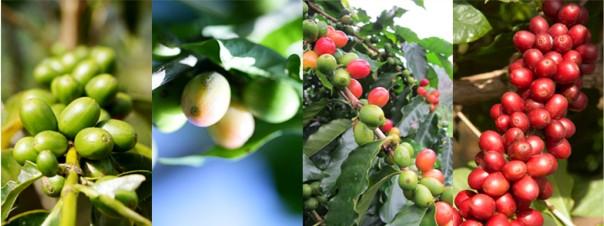
Tanzania will host World Specialty Coffee Conference Coffee in the town of Moxi, Tanzania
Due to political instability and rampant diseases and insect pests, the coffee industry in Tanzania has been damaged, leading to a decline in the overall level of coffee and instability in quality, which in turn lead to lower prices, which are usually the result of a further decline in the coffee industry. What's more, it is estimated that more than 12% of the Arabica coffee grown in northern Tanzania from 1969 to 1985 has gone.

Characteristics of coffee beans in Tanzania introduction to the quality and taste of the method of flavor description in manor producing areas
Characteristics of Tanzanian coffee beans Flavor description of manor producing areas quality taste introduction to the market of Tanzanian coffee: coffee exports from Tanzania (Tanzania) play an important role in the whole national economy. In the past, the coffee industry in Tanzania has been dominated by manor cultivation, but now more than 85% are grown by small farmers. Many small farmers form cooperative organizations, of which
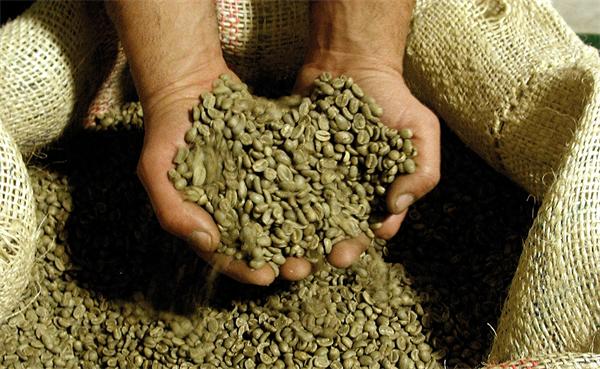
What are the major coffee producing countries in Africa? Tanzania AA, Tanzania, black coffee.
Due to political instability and rampant diseases and insect pests, the coffee industry in Tanzania has been damaged, leading to a decline in the overall level of coffee and instability in quality, which in turn lead to lower prices, which are usually the result of a further decline in the coffee industry. What's more, it is estimated that more than 12% of the Arabica coffee grown in northern Tanzania from 1969 to 1985 has gone.

AAA Flavor description of Tanzania Coffee beans Grinding scale varieties in Taste producing area
AAA Flavor of Tanzania Coffee beans describes the market of Tanzanian coffee varieties: coffee exports from Tanzania (Tanzania) play an important role in the whole national economy. In the past, the coffee industry in Tanzania has been dominated by manor cultivation, but now more than 85% are grown by small farmers. Many small farmers form cooperative organizations, of which the most important

Introduction to the taste of varieties produced by the grindability treatment of Tanzanian coffee with pure flavor
Coffee production in Tanzania: coffee bean-shaped berry coffee in Tanzania produces a lot of coffee and is said to be more fragrant than ordinary coffee. Generally speaking, coffee beans in Tanzania have extraordinary quality. For example, the fine Tanzanian AA AA coffee (ChaggaAA), produced in the Moshi area near Mount Kilimanjaro, is full with its grains.

Aini coffee brand Aini exists because of love for you
Aini coffee brand is an industry under Aini Group. Aini always adheres to the business philosophy of paying equal attention to development and protection. It adopts the mode of government leading + enterprise operation + scientific and technological support + farmer participation in operation to carry out coffee planting management. The original vegetation shall be retained in the vegetated areas, and Leucaena leucocephala, Phoenix tree, Cinnamomum camphor, wild banana, rubber tree, etc. shall be planted in the barren hills and wasteland areas to increase coffee base.

Fragrant Tanzania Coffee Flavor description Variety characteristics of High-quality Coffee beans in producing areas
Tanzania is also often compared with its nearest neighbor Kenya. It is said that the earliest Arabica coffee in Tanzania was introduced by Christians from Kenya and is similar to Kenya in flavor characteristics. With grapefruit aromas and soft and bright acidity. However, because the economic conditions of Tanzania are worse than those of Kenya, the production conditions are poor. Tanzania is concerned about quality.